susutainable livelihoods
-

Livelihood surveys on gleaning and climate change
Gleaning is the collection of marine invertebrates within the intertidal mudflats for subsistence and small domestic markets. Gleaning is conducted mainly by women in Tonga, providing not just food source but economic support, social engagement and recreation. Women rarely are alone in the gleaning areas and often share and trade species as they glean. These…
-
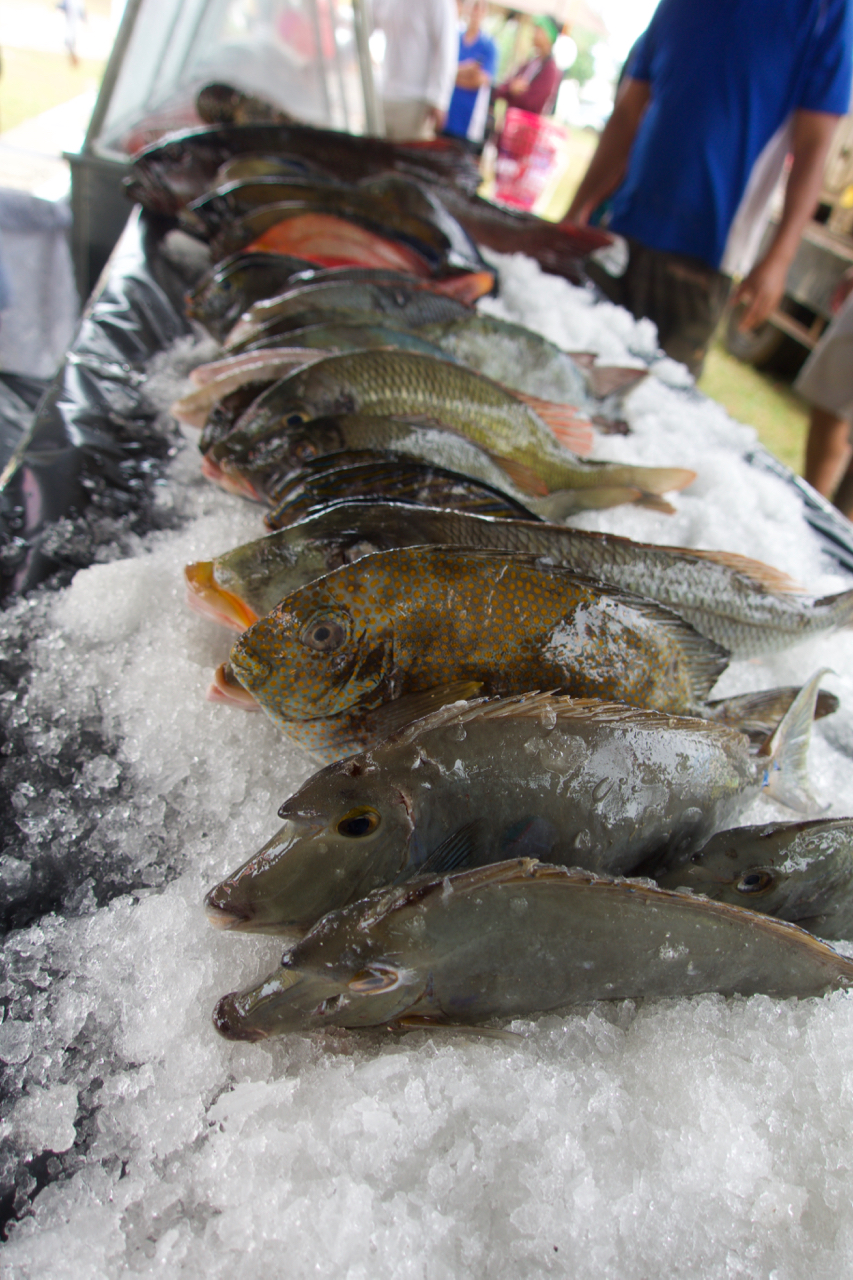
Cultural Food Preperation
Coastal fisheries are critically important to community livelihoods and reef habitat health. Programs such as community managed reefs (SMAs) are being developed to provide benefits to both biodiversity and livelihoods. In Tonga, many communities still practice traditional food preservation methods; in part due to limited electricity sources to freeze or refrigerate produce especially on the…
-
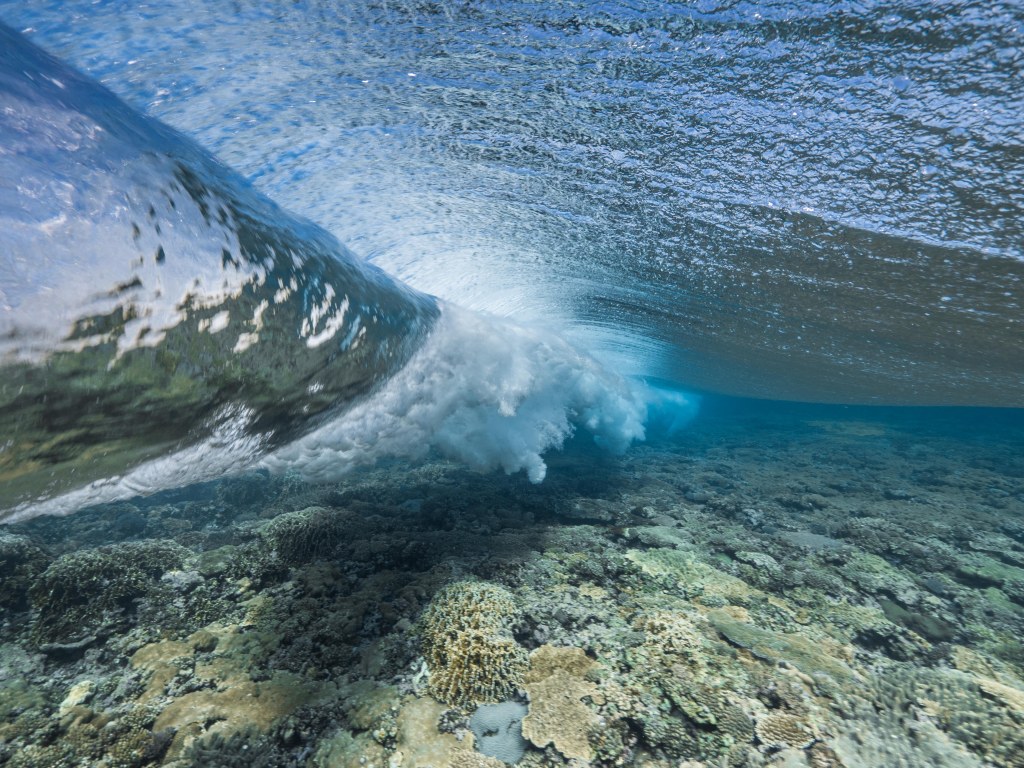
Exploring the marine resources of Tonga
In May of 2017, a team of international and national marine researchers joined together on board the Yacht Plan b, through the Waitt Institute, to survey the near-shore marine habitats of Ha’apai and Vava’u for the Vava’u Ocean Initiative. The marine surveys included coral cover, fish diversity and biomass and mobile invertebrates such as sea…
 Vava'u Environmental Protection Association (VEPA)