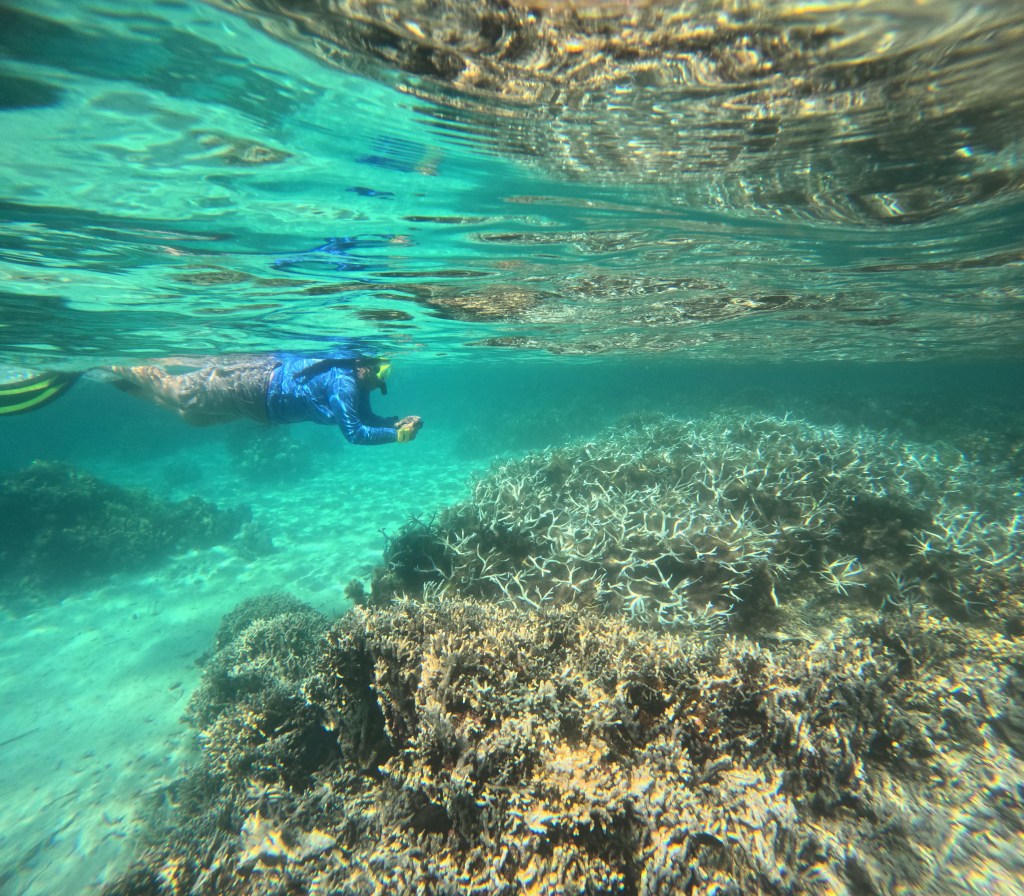

Coral bleaching affects tropical coral reef habitats with often devastating and long term impacts for marine ecosystems. The news worldwide is grim with the launch of the Status and Trends of Coral Reefs and the UNEP announcement for crossing the 1.5C!
When a coral is stressed the symbiotic algae known as zooxanthellae is released/ejected and this reduces the ability of the coral to photosynthesise and provide nutrients. The coral when stressed goes through stages
1. Paling where the coral colour becomes very bright; there is some zooxanthellae left in the coral but they are buzzing around and not in a stable state.
2. Bleached – the majority of zooxanthellae have left and the coral is mainly white. At this stage there is still a chance for the coral to survives if the stress issue is removed
3. Bleached and covered with algae – with the algae covering the coral has remained bleached for a while and the chance of recovery is limited.
Generally coral bleaching is associated with high levels of ocean warming over long periods of time. This is a climate change impact! This year 2026 we saw long periods of sustained high temperatures over 14 weeks. Many of the shallow water corals bleached and in Vava’u there was sporadic bleaching recorded to 21 meters. This was due to a warm body of water sat over Tonga and Fiji during the last La Nina.
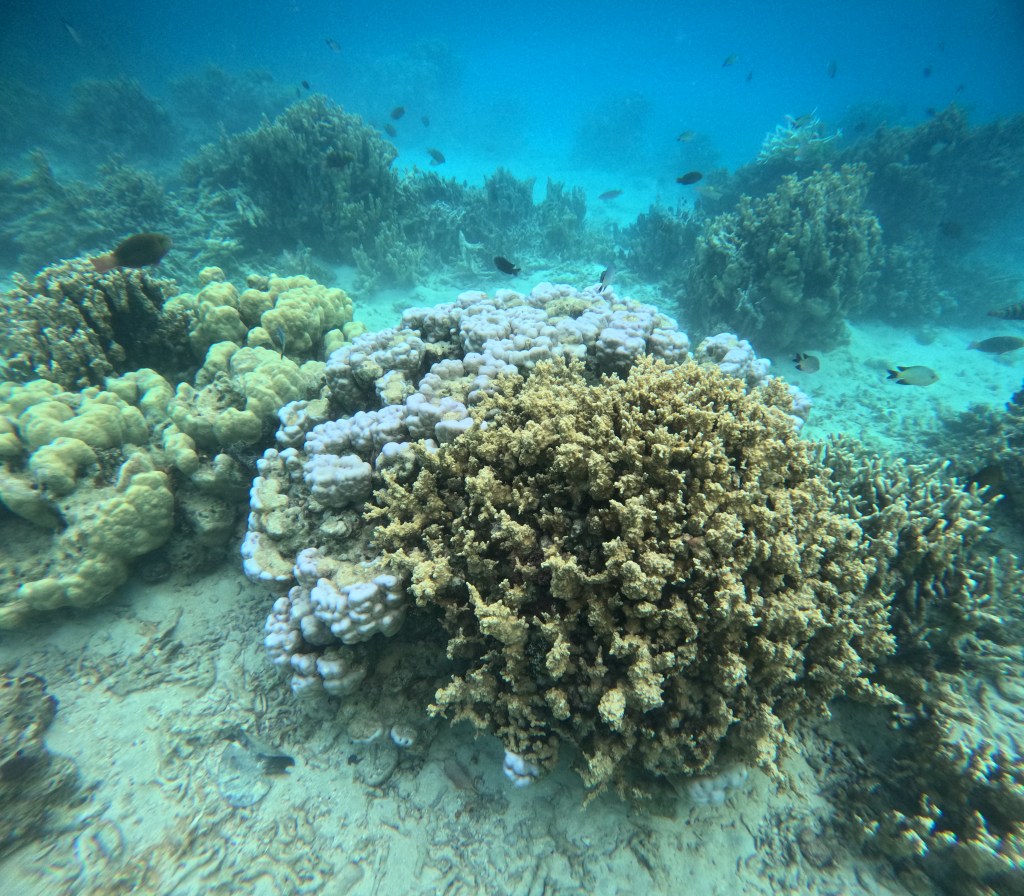
But its not just high ocean temperatures that stress corals, there are a lot of locally driven impacts to water quality, pollution and sediment that also stress corals. Low water movement which can sometimes be attributed to infrastructure also causing stagnant waters where during summer temperatures can increase.
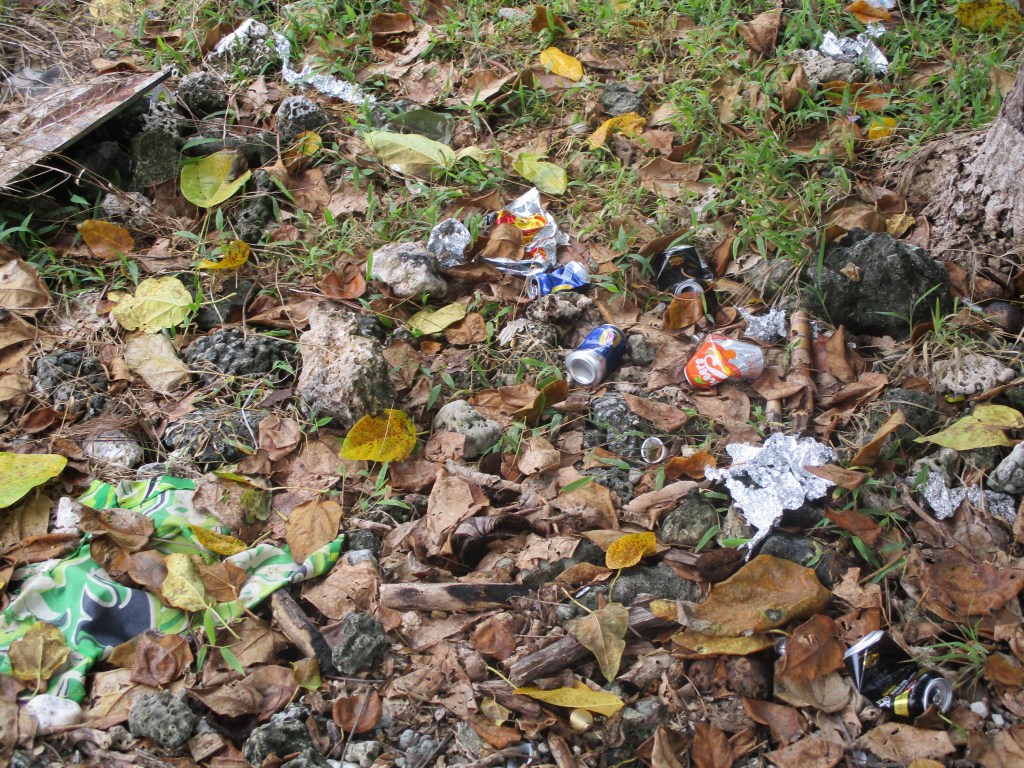
These impacts we can and should prioritise to change, through policy, community driven opportunities and nature based solutions. So why aren’t we?
Implementing adaptive road and infrastructure planning to reduce run off and increase natural coastal water movement will take time and resourcing. However it is essential!
We need to increase support and financing for community driven action to managing coastal areas including coastal vegetation and maintenance programs. These programs can also identify and reduce invasive species whilst increasing native species replanting and use of ecologically beneficial plants.
Supporting management and effectiveness of special management areas and marine protected areas is also critical. Training community members to monitor reef changes has been key and continuing support and opportunity will be critical to the future.
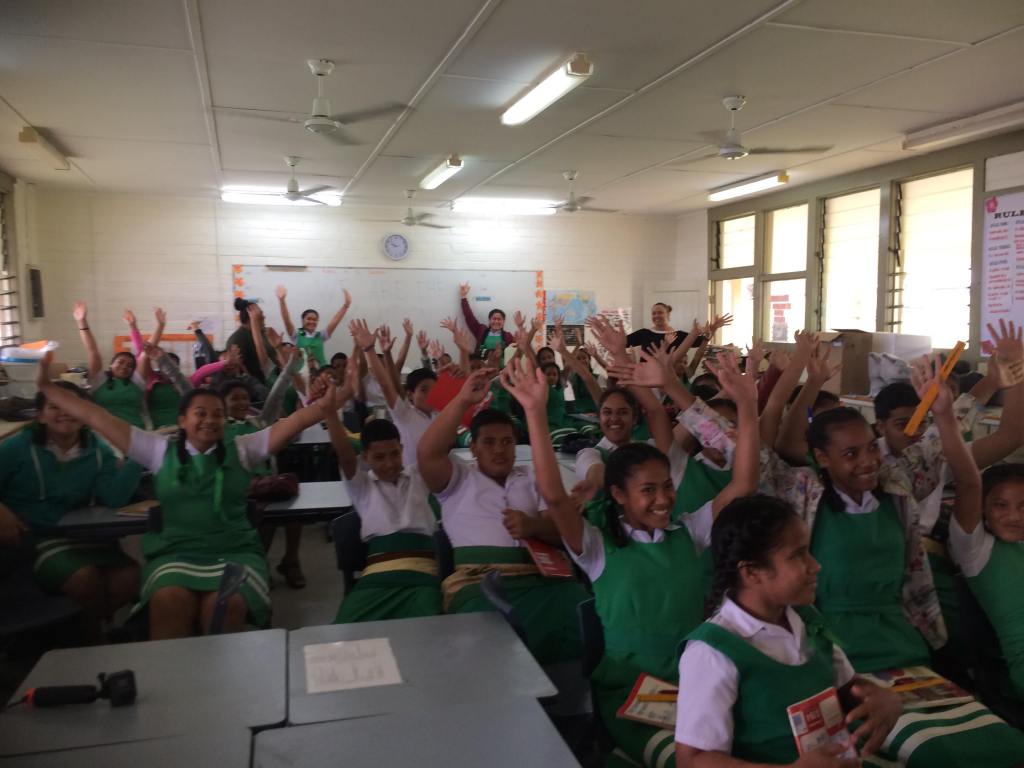
Whats really needed though is a feeling of ownership by community and youth, that has to come from within, driven by leadership and supported by organizations.
So for the corals, means also for the people and thats where we will continue to combine our efforts and grow the network of environmental ambassadors.
Our summer months ahead will be interesting, and with the current Super El Nino we wont know yet how we will be but in the meantime the work will continue to secure a better and resilient environment.