
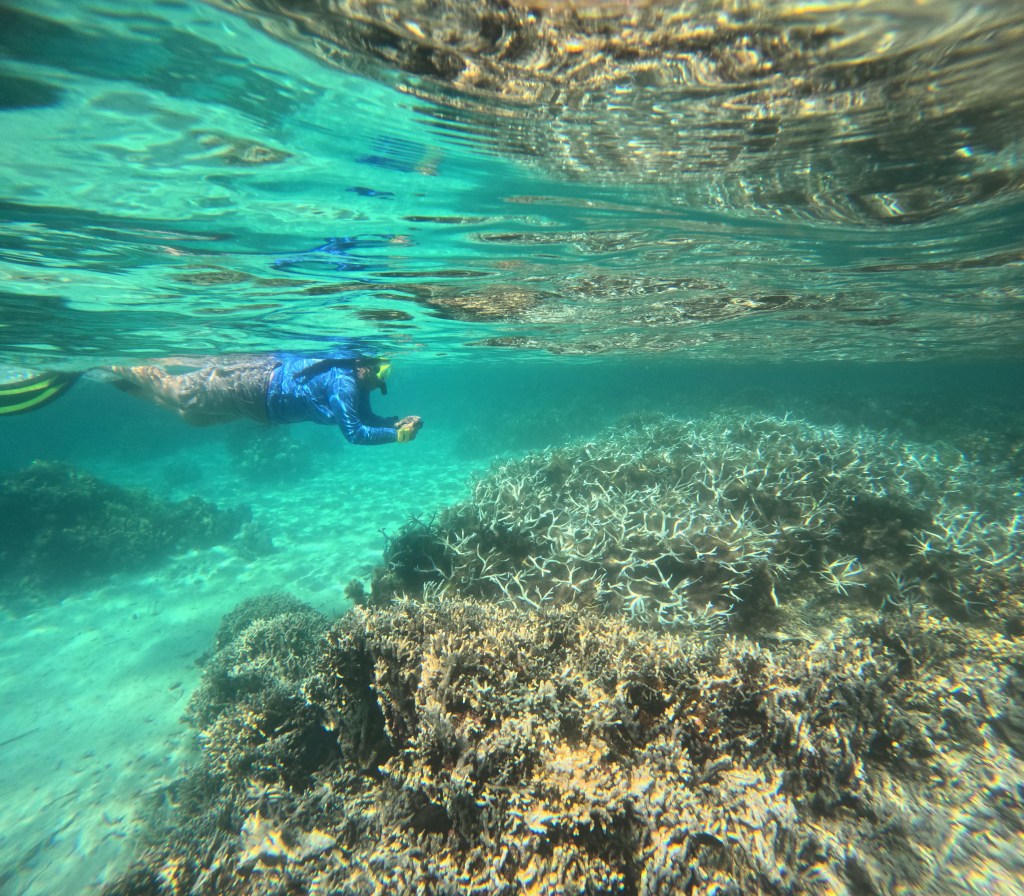
Fiji and Tonga are monitoring and observing a bleaching event. For Vava’u it started in summer of 2024 and has become increasingly extensive in 2026.
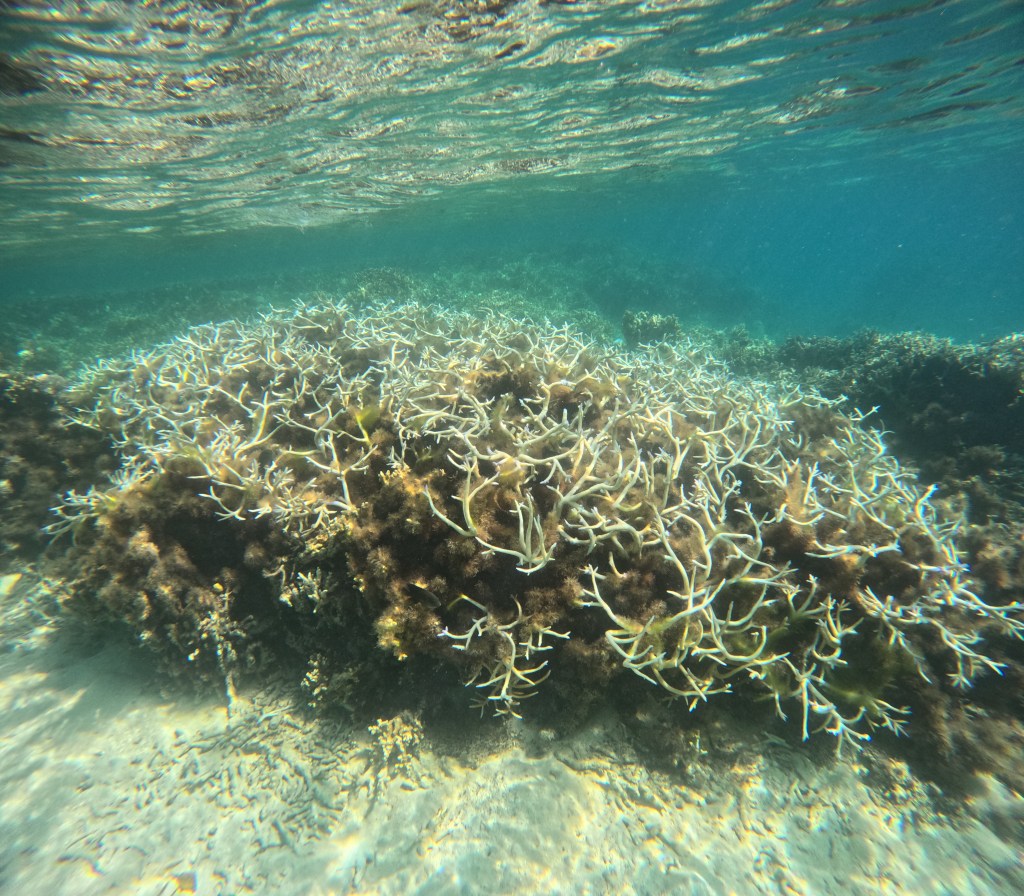
Corals bleach because they are under stress, these current stresses are attributed to the increased and sustained water temperatures. For the last 6 weeks, it has remained at 34C/93.2F, above the threshold for ocean temperatures.
Yet, it is not just temperatures that stress corals. Daily actions and increased pressures from development and human activities keep corals in a constant stress state.
So where does the hope come in? Not all corals are bleaching, we are beginning to manage to track and watch resilient corals. What makes these corals resilient is either an adapted symbiotic algae or genetic variability.
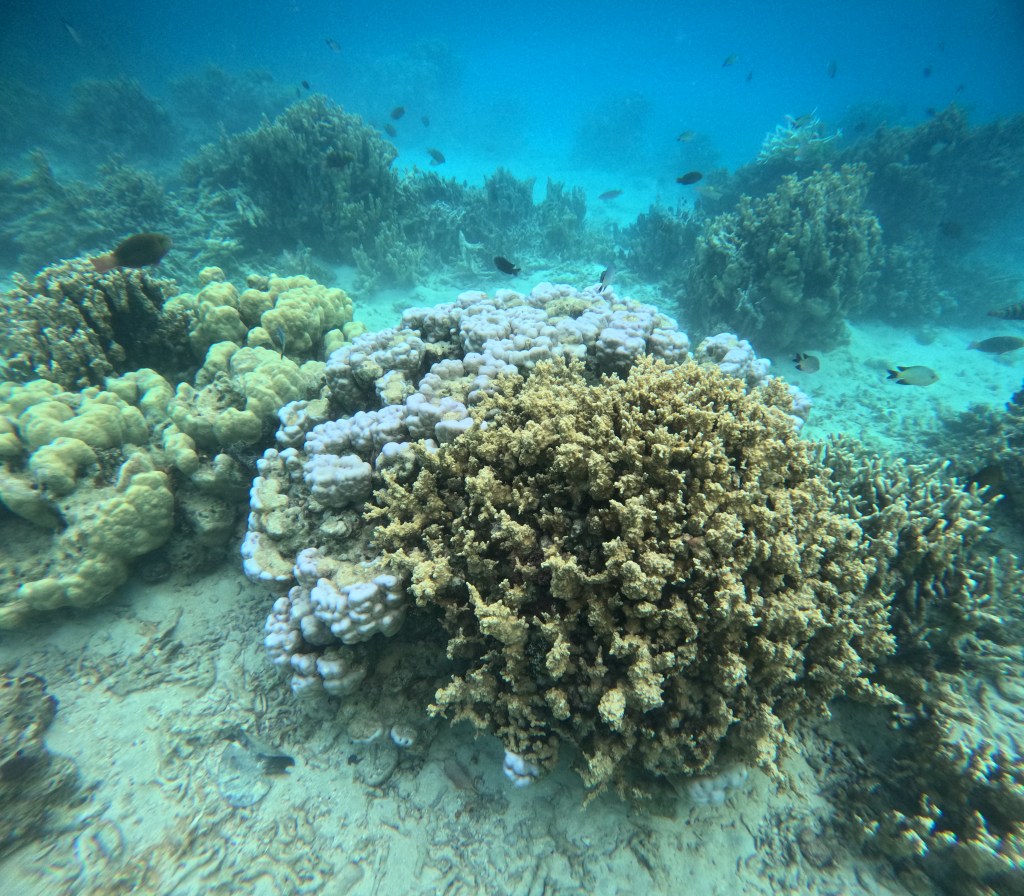
We have been tagging and tracking these non-bleaching corals and will continue to watch the response and recovery. We are collaborating with the Ministry of Fisheries, Department of Environment and Waitt Institute on pilot coral restoration programs. These more resilient corals will play a big role in the long term success of the restoration.
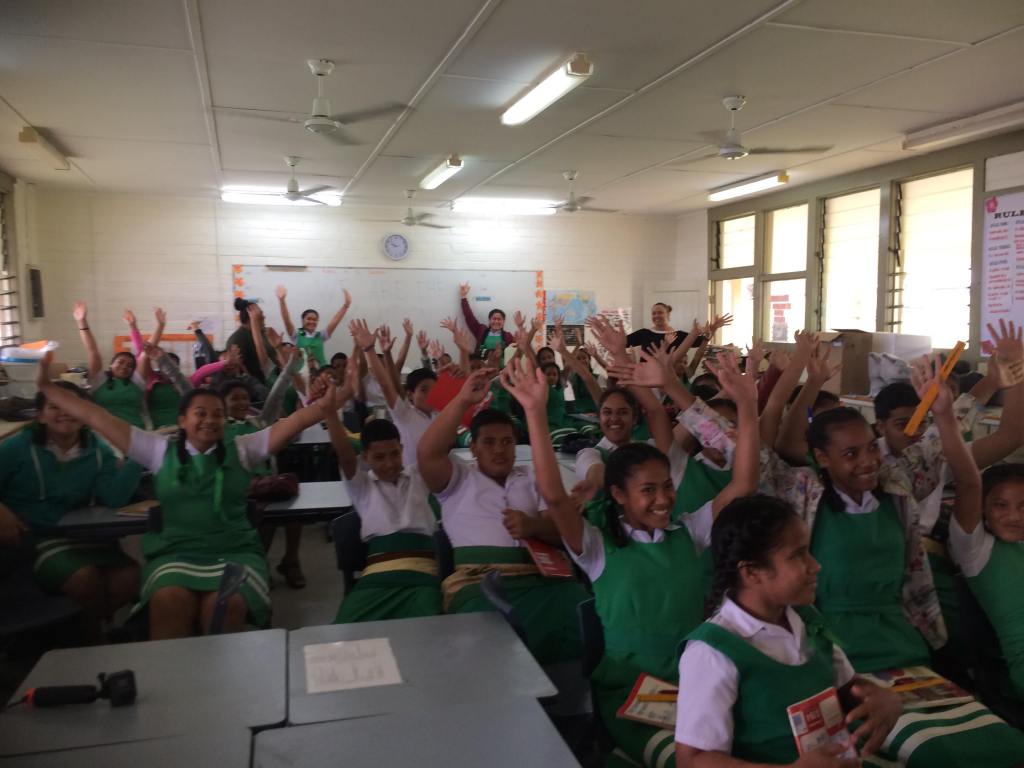
So where is the “Hope” in all this? A lot comes from the community engagement. Trained on the coral watch, communities are tracking their own bleaching. It has increased discussion and has opened the pathway for management actions.

We can also reduce national stressors and we have to. These actions need to be the priority:
Making development and especially the road programs better. Let not add to the sedimentation. We can do this through better designs including management and drainage to reduce run off.
We can reduce over fishing on key species. This includes sea urchins, especially Tripnuesteus gratilla (tukumisi) alongside parrot fish, and surgeon fish. These key species are helping keep algae from becoming dominant.
We can make sure the no-takes and fish habitat reserves are well managed and resourced.
We can keep our beaches and coastal areas clean and litter free.
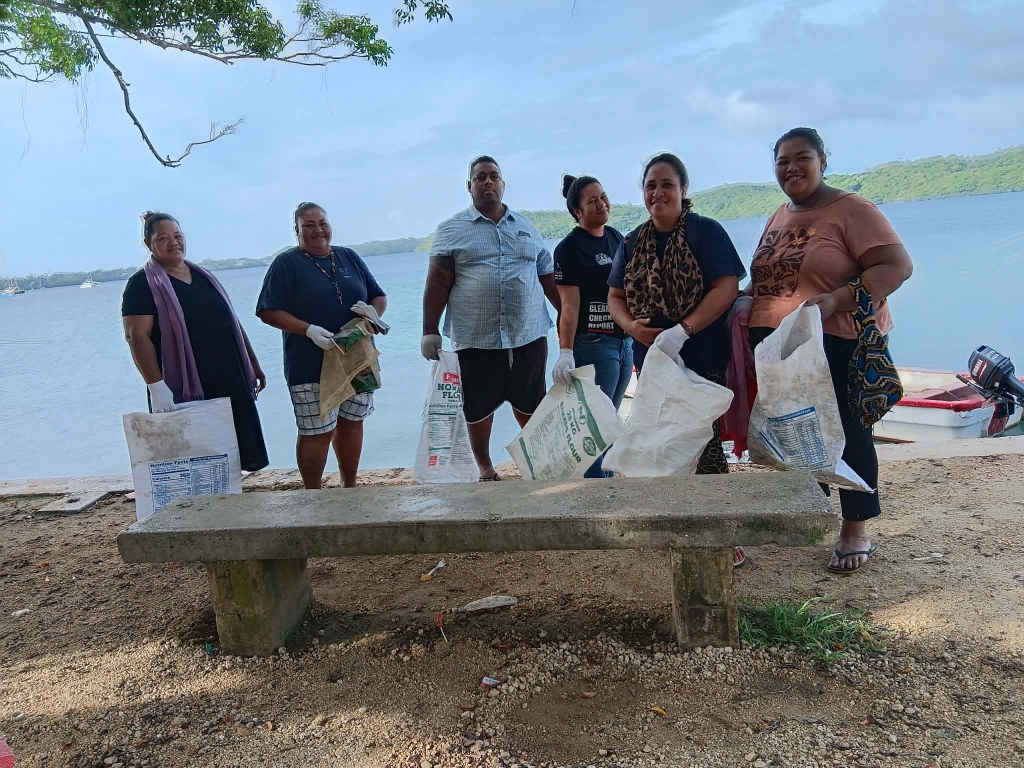
The only thing we have to do, is to work collectively. The ambassadors are leading the way in their communities. With government, national and regional support we can make the hope become a reality!

 Vava'u Environmental Protection Association (VEPA)